Is Ubud Safe? The Honest Truth About Scooters, Solo Travel, and Monkeys
Yes, Ubud is incredibly safe. Here is what you actually need to watch out for, from scooters and sidewalks to monkey bites, money changers, and Bali belly.
When you tell people you are going to Bali, specifically Ubud, you usually get two reactions. The first is jealousy: "Oh, the yoga! The food!" The second is the worried parent face: "Is it safe?"
The short answer: yes, Ubud is incredibly safe. Violent crime against tourists is almost non-existent, and Balinese culture is rooted in karma and community, making it one of the warmest places you will ever visit.
But while you are unlikely to get mugged, Ubud has its own unique set of hazards, and they are not the ones you are probably expecting. You do not need to worry about pickpockets as much as you need to worry about gravity, scooters, and aggressive primates.
Here is the realistic safety guide to surviving Ubud.
1. The Number One Danger: Traffic and Scooters
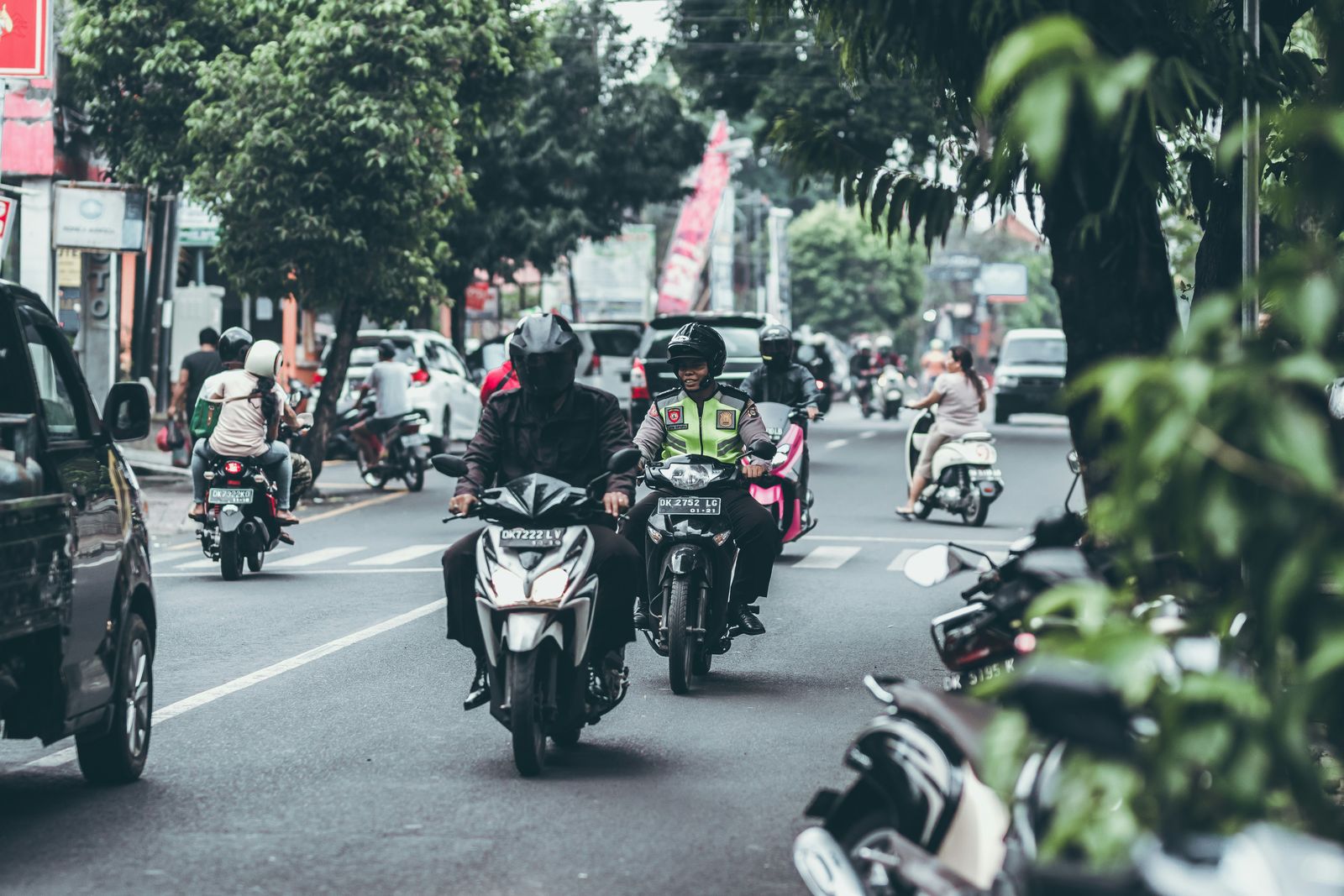
Road accidents do not happen very often, but I would say this is the biggest danger to tourists in Bali. This is what actually sends people to the hospital.
The roads are narrow, scooters weave constantly, and local drivers operate by unwritten rules that take months to understand. Add in tourists who rented a scooter for the first time in their lives, and you have got a recipe for accidents.
Our honest advice: if you have never ridden a scooter before, Ubud is not the place to learn. We have seen too many tourists wrapped in bandages after just a few days here. Use Grab or Gojek instead, or hire a private driver for day trips. It is affordable and you get to actually enjoy the scenery.
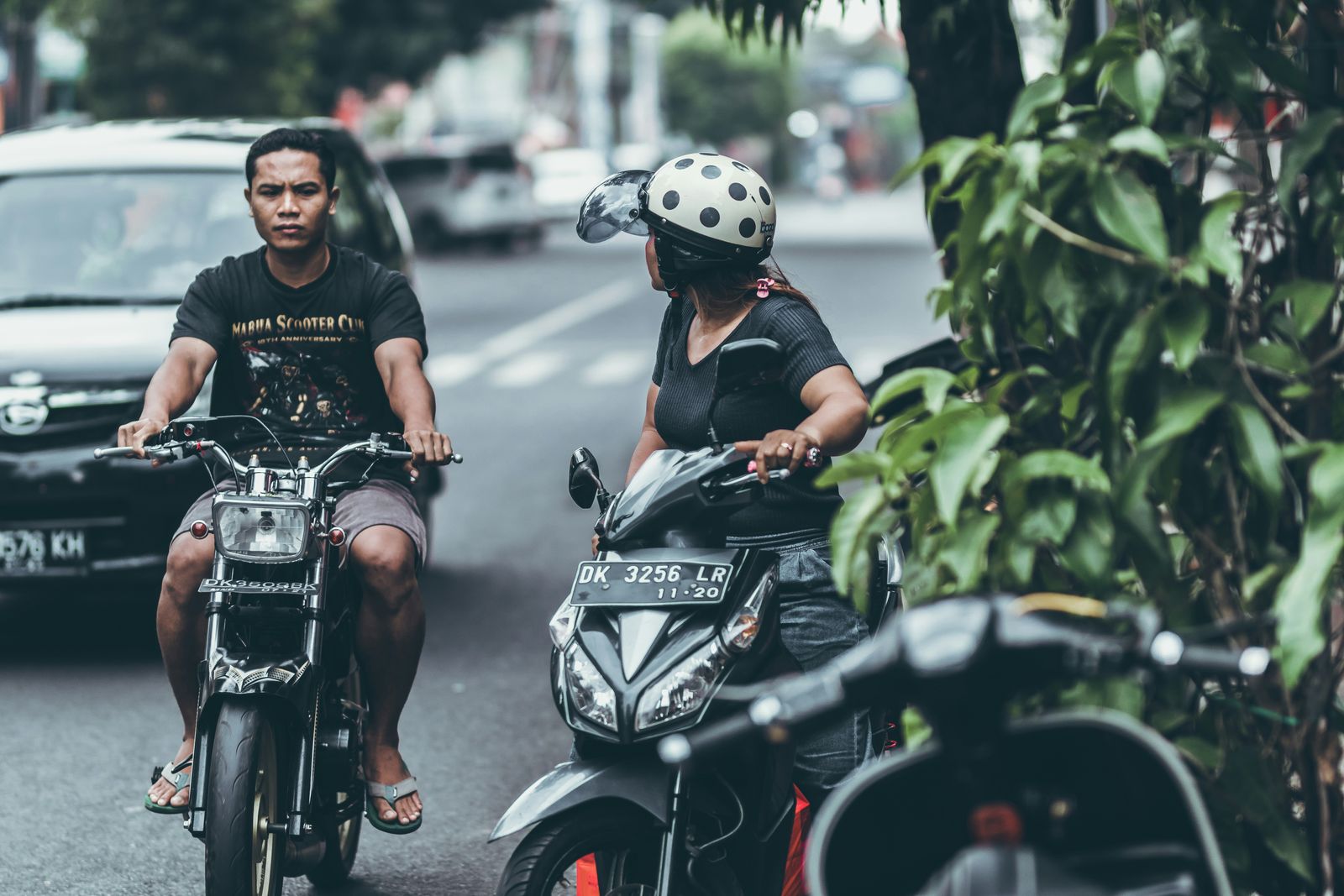
If you do ride, always wear a proper helmet, not the flimsy decorative kind.
2. The Ubud Shuffle: Watch Your Step
This sounds silly until you experience it. The sidewalks in Ubud are genuinely treacherous: deep holes that appear out of nowhere, broken tiles, sudden drops, and open drainage channels waiting for your ankle.
During the day it is manageable if you pay attention. At night it becomes a real hazard because street lighting is inconsistent.
The solution: watch where you are walking, especially after dark. Use your phone flashlight. Wear proper shoes, not flimsy sandals. It sounds overly cautious until you step into a knee-deep hole.
Your one and only actually had this situation. I twisted my ankle on the sidewalks of Ubud, flip-flops definitely did not help, and I had to stay away from sports for months afterwards.
3. The Monkey Mafia

The monkeys in Ubud are cute and photogenic, but they are also wild animals who have zero fear of humans and know exactly how to exploit tourists.
Monkeys actually bite, so be careful. They will grab sunglasses off your face, snatch water bottles from your hands, and go through your bag with surprising speed. If you try to take something back, they may bite you, which means a rabies shot just to be safe.
How to avoid problems: do not make direct eye contact because they see it as aggression, do not smile showing teeth, remove loose jewelry, secure your sunglasses, and do not carry food or water bottles in your hands. Do not keep your hands in your pockets either. Monkeys may think you are hiding food there and may try to attack you.
The monkeys near the Monkey Forest entrance are often more aggressive than the ones inside, so stay alert in that whole area.
4. The Money Changer Scam
This is honestly the only "crime" you are likely to encounter in Ubud, and it is easy to avoid once you know how it works.
You will see signs offering exchange rates that look too good to be true, usually higher than the official rate, with "NO COMMISSION" written in big letters. That should be your first red flag. What happens next is classic sleight of hand: they drop bills behind the counter while counting your money, and you walk away short without realizing it.
The solution is simple: only use authorized money changers that look like actual businesses. You want air-conditioned offices with glass doors, electronic rate boards, and uniformed staff who give you a proper receipt.
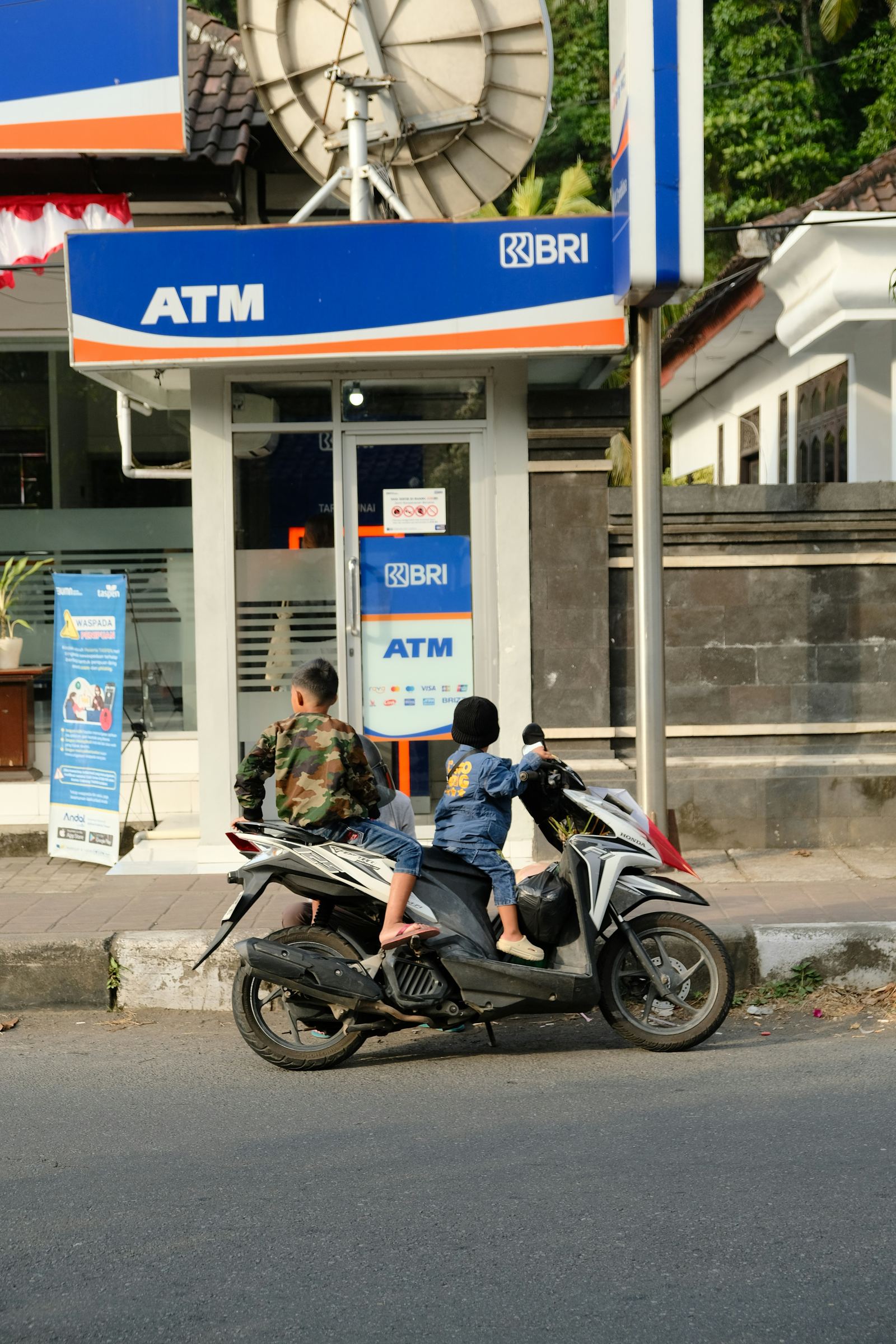
Or even better, just use ATMs inside banks. BCA and Mandiri are the most reliable, and you will avoid the whole scam risk entirely.
5. Bali Belly: It Is Real But Manageable
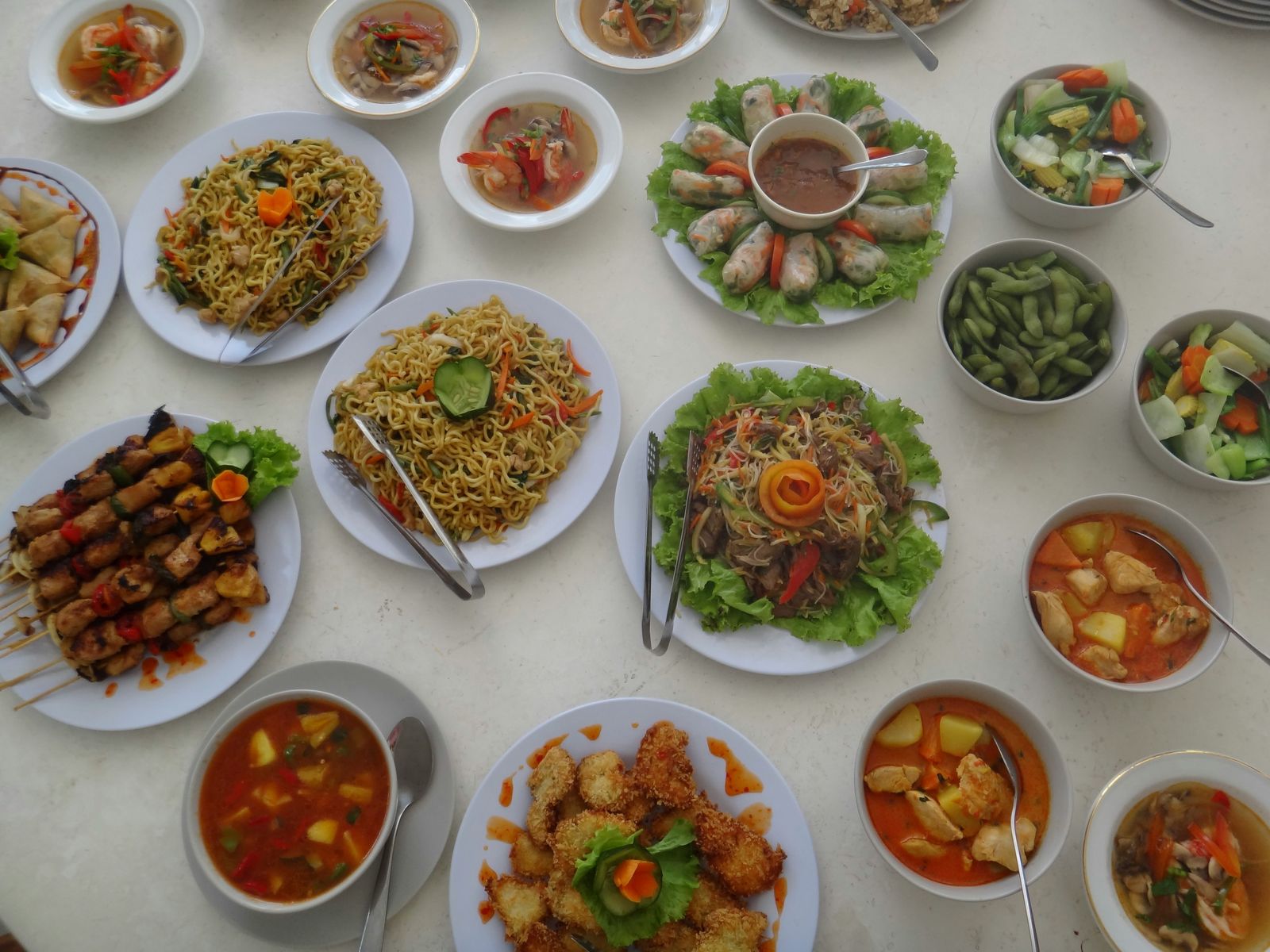
You have probably heard about this, and yes, this one is not a myth. But there are ways to avoid it.
The main rule is simple: never drink the tap water. If you have a sensitive stomach, I would maybe not even brush my teeth with it, depending on where you are staying. Here at Hubuddha the water is clean and fresh from our own well, but in some areas tap water actually smells. The ice in restaurants is generally safe because it comes from government-regulated factories, so you do not need to stress about that.
If you do get sick, and it happens to plenty of people, stick to water, plain rice, and bananas for a day or two. Pack some Imodium or charcoal tablets in your bag before you travel so you are prepared. And if things get worse, pharmacies are everywhere and the staff usually speak enough English to help you find what you need.
6. Solo Female Travel: One of the Safest Places in the World
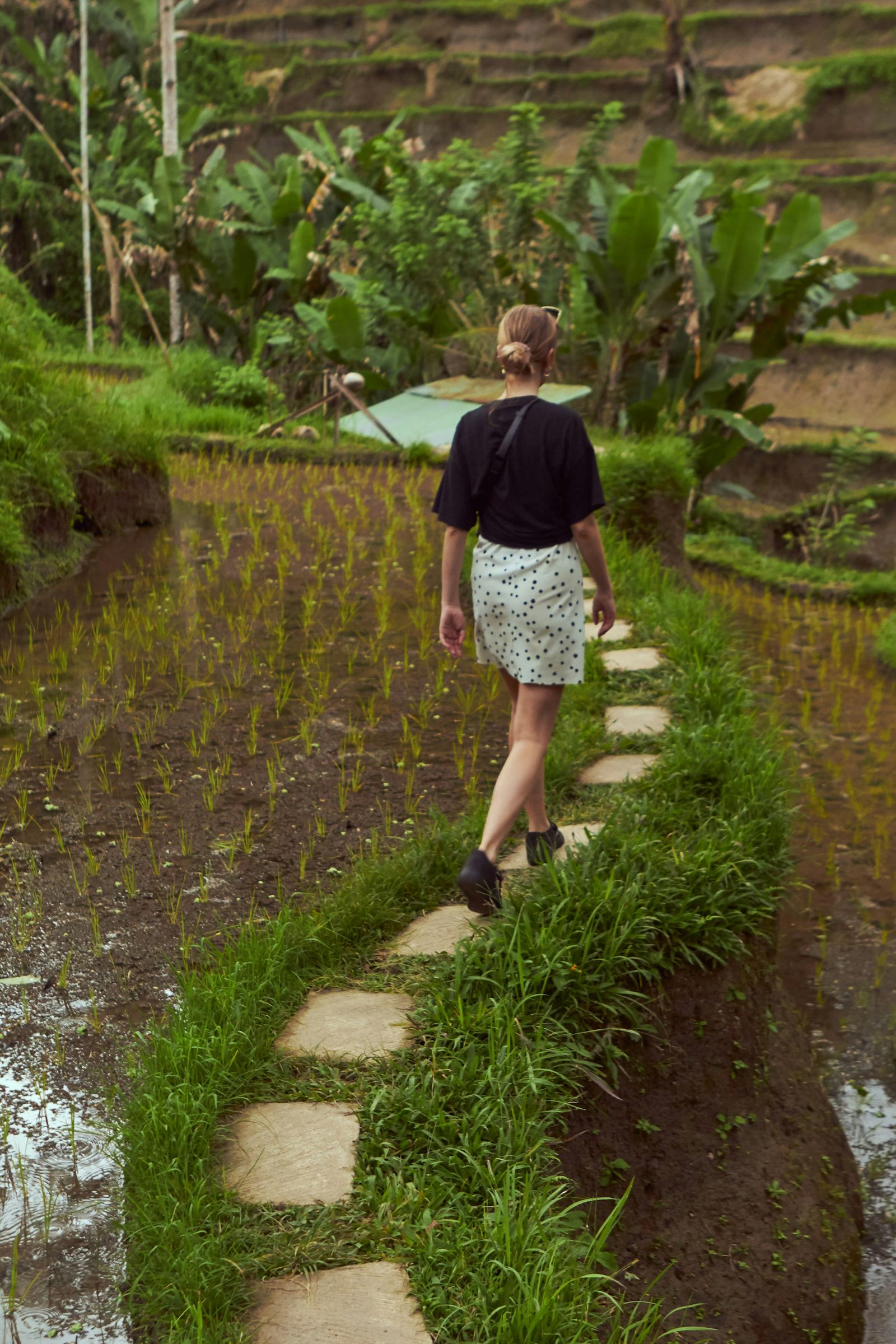
If you are a woman planning to travel to Ubud alone, you have picked one of the best destinations in the world for it.
You will see women walking alone, eating alone, and riding scooters alone absolutely everywhere. It is completely normal and safe here, and the local culture is generally very respectful. The spiritual, yoga-focused vibe of Ubud attracts a lot of solo female travelers, so you will be in good company. Sometimes I see women walking on the street half naked, oh, those yogi goddesses, and no one tries to cat-call them. It is generally very safe here.
Now, you will hear men calling out "Taxi? Transport?" and they might get very annoying and insistent. These are transport drivers trying to make a living, and it is just an admittedly annoying sales tactic. A firm "no, thank you" works fine, or you can just ignore them entirely and keep walking. They will move on immediately to the next person.
Walking alone at night is generally safe here. Your main concerns should be the dark holes in the sidewalk and the occasional barking stray dog, not people.
7. In Case of Emergency
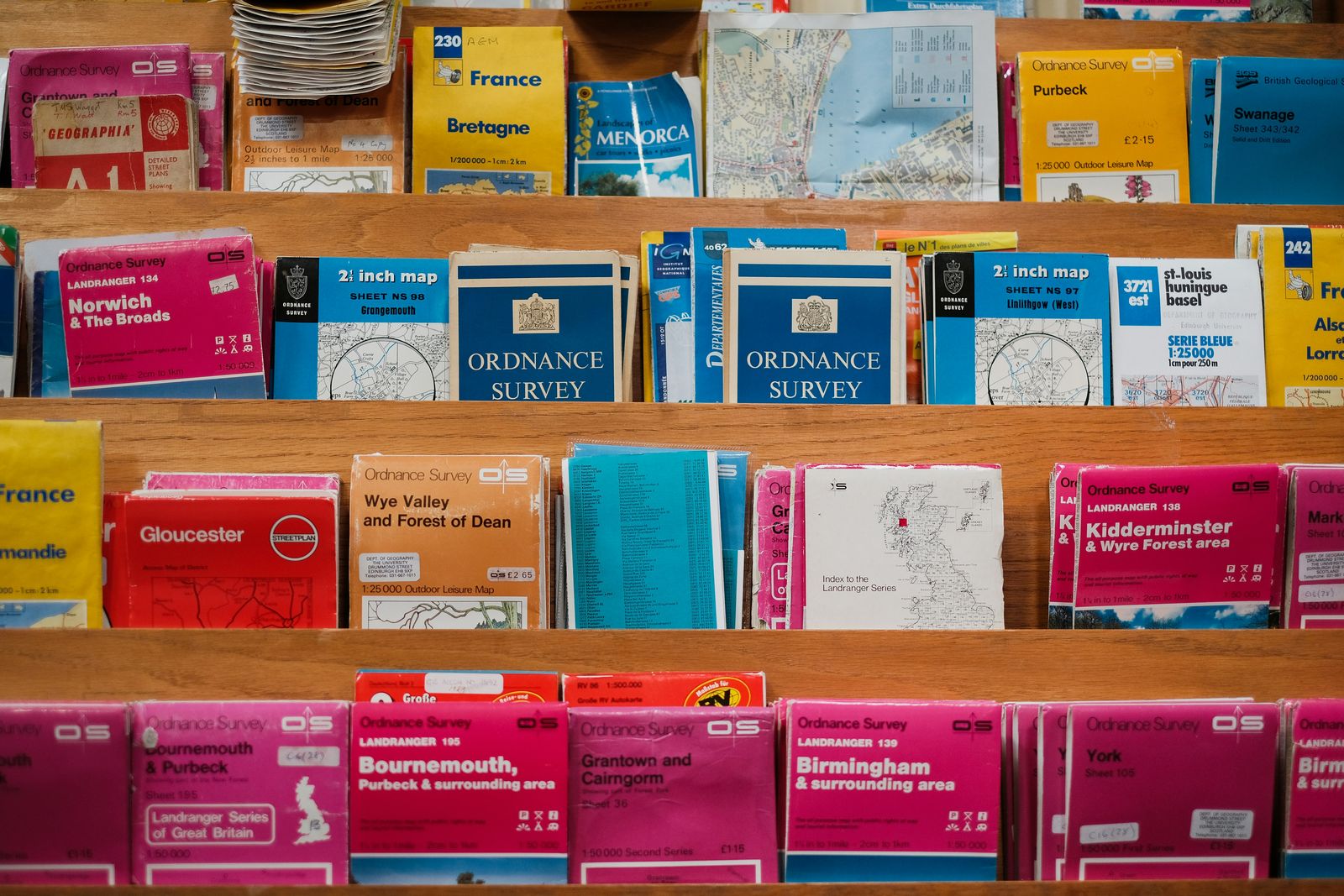
Save these in your phone before you arrive, just in case.
For medical care, BIMC Hospital Ubud has Western standards and accepts international insurance. For minor issues like cuts or Bali belly, Toya Medika is a good local clinic, I take my kid there myself. And honestly, for most situations your accommodation staff will be the most helpful first point of contact. They know how to navigate everything locally and can point you in the right direction.
For getting around safely, especially at night, Grab and Gojek are your best friends. It is much safer and easier than trying to negotiate with random drivers on the street.
So, Is Ubud Safe?
Ubud is genuinely one of the safest places you will ever travel. The dangers that exist here are mostly about being careless rather than being targeted: riding a scooter without experience, not watching where you walk, getting too friendly with wild monkeys, or drinking tap water.
Use basic common sense and you will be absolutely fine. Ubud is a great place, and we think you are going to love it here.
